



Passover is one of the most meaningful and enduring holidays in Jewish tradition. Known in Hebrew as Pesach, the holiday commemorates the Israelites’ liberation from slavery in ancient Egypt—a story of resilience, faith, and the pursuit of freedom that has been passed down for generations.
Observed each spring, Passover brings families and communities together around the Seder table, where ritual, storytelling, and symbolic foods transform a shared meal into a powerful act of remembrance. The Seder invites participants not only to recount the ancient story of the Exodus, but to reflect on the deeper themes of liberation, gratitude, and renewal that continue to resonate today.
In homes around the world, Passover is both a sacred tradition and a cherished gathering—a time when thoughtful preparation, beautiful tables, and meaningful foods help create an atmosphere of warmth and connection.
Passover and Pesach: Two Names, One Meaning
The terms Passover and Pesach refer to the same holiday. “Pesach” is the Hebrew name, while “Passover” comes from the biblical story in the Book of Exodus, which recounts the Israelites’ escape from slavery in Egypt.
According to tradition, Moses was chosen to lead the Israelites to freedom after generations of oppression under Pharaoh. When Pharaoh refused to release them, a series of plagues struck Egypt. The final plague—the death of the firstborn—gave rise to the name “Passover.”
Israelite families were instructed to mark their doorposts so the angel of death would “pass over” their homes. Soon after, Pharaoh relented, and the Israelites departed Egypt in haste.
Because they left so quickly, their bread had no time to rise. This is why matzah, unleavened bread, is eaten throughout Passover—a simple food that symbolizes both the urgency of their departure and the enduring memory of the journey toward freedom.
Today, Passover is observed for seven days in Israel and eight days in many Jewish communities worldwide, continuing a tradition that connects generations to this pivotal moment in Jewish history.
The Seder: A Table Rich With Meaning
The Passover Seder is the centerpiece of the holiday. The word Seder means “order,” referring to the carefully structured sequence of rituals that guide participants through the evening’s storytelling.
Families follow the Haggadah, a text that recounts the story of the Exodus through readings, songs, questions, and blessings. Children are encouraged to ask questions about the traditions and symbolism, making the Seder an interactive experience that brings the story to life across generations.
At the center of the table sits the Seder plate, which holds symbolic foods representing different elements of the Exodus story:
-
Matzah – unleavened bread representing the haste of the Israelites’ departure
-
Maror (bitter herbs) – symbolizing the bitterness of slavery
-
Charoset – a sweet mixture representing the mortar used by enslaved Israelites
-
Karpas (a green vegetable) – symbolizing spring and renewal
-
Z’roa (a roasted shank bone) – recalling the ancient Passover sacrifice
Each element contributes to a sensory retelling of history—inviting participants to taste, see, and reflect on the journey from hardship to freedom.
As the evening progresses, the Seder meal gives way to dessert and conversation, extending the spirit of celebration and hospitality. Beautifully prepared sweets and seasonal fruits often complete the gathering, offering something for everyone at the table.
Our Haggadah Great Feeling Sweets Gift Hamper is designed with this moment in mind. This generous Kosher-for-Passover assortment features an indulgent gluten-free Seven Layer Cake with chocolate mousse and ganache layers topped with dark chocolate, dark chocolate-dipped macaroons, and colorful rainbow cookies, all paired with a bountiful selection of fresh seasonal fruit. Together, these treats create a festive and delicious spread—perfect for sharing after the Seder meal or sending warm Passover wishes to loved ones.

Preparing the Passover Table
Preparing for Passover often begins well before the Seder itself. Homes are carefully cleaned of chametz—leavened foods forbidden during the holiday—and kitchens are filled with ingredients that are Kosher for Passover.
The Seder table is often arranged with great care, blending tradition with personal style. Elegant table settings, symbolic foods, and thoughtfully chosen dishes all help create an atmosphere worthy of the occasion.
For many hosts, Passover preparation is as much about hospitality as it is about tradition—welcoming family and friends to gather, reflect, and celebrate together.
Sharing the Spirit of Passover
Beyond the rituals themselves, Passover is deeply connected to the values of generosity and community. It is a holiday that encourages loved ones to gather around the table and share in the traditions of storytelling, reflection, and celebration.
For those traveling to a Seder or wishing to send thoughtful holiday wishes from afar, beautifully curated seasonal offerings can be a meaningful way to honor the holiday and its traditions.
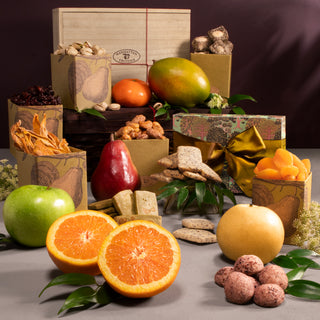
Our Passover Delicious Kosher Gift Hamper offers a delightful expression of this spirit of sharing. This thoughtful assortment features approximately nine pieces of fresh seasonal fruit paired with the finest strictly Kosher-for-Passover baked goods, including dark chocolate–dipped coconut macaroons and a rich Caramel Seven Layer Cake, both crafted by the esteemed Schick’s Bakery in Brooklyn.
Whether presented to a host or sent as a gesture of appreciation, this elegant hamper captures the warmth and generosity that define the Passover celebration—bringing a taste of the holiday’s sweetness to gatherings near and far.

A Celebration That Endures
More than three thousand years after the events it commemorates, Passover remains one of the most widely observed holidays in Jewish life. Its rituals continue to inspire reflection on the universal themes of freedom, justice, and hope.
Each year, as families gather to read from the Haggadah and share the symbolic foods of the Seder plate, the story of the Exodus is brought to life once again—linking the past with the present.
Passover reminds us that traditions endure not simply because they are remembered, but because they are shared—around tables, across generations, and within communities.
Discover Our Passover Collection
Celebrate the season with thoughtfully curated offerings inspired by the traditions of Passover.